

Why does beer taste good? The unique combination of ingredients like hops, malt, and yeast creates a wide range of flavors that contribute to why beer tastes good. In this article, we will explore the science behind beer taste, various beer flavor profiles, and how to enhance your beer drinking experience.
Beer taste is a fascinating blend of hops, malt, and yeast, each contributing to the diverse flavor profiles found across different styles. Whether you’re a fan of lighter beers for their refreshing qualities or prefer the rich, complex flavors of dark beers, there’s a beer for every palate. To truly enjoy beer, consider serving it at the right temperature, using appropriate glassware, and pairing it with complementary foods. These elements can elevate your beer drinking experience, making each sip more enjoyable. Dive into the world of beer and discover how these factors can enhance your appreciation for this beloved beverage.
The Science Behind Beer Taste

Understanding why beer tastes good starts with the fundamental ingredients: hops, malt, and yeast. Hops are the flowers of the hop plant, and they are primarily responsible for the bitterness in beer. This bitterness is due to the alpha acids in hops, which also help preserve the beer. On the other hand, malt, made from barley or other grains, adds sweetness and body, creating a perfect balance with the bitterness from the hops. Yeast, a crucial player in the fermentation process, produces alcohol and various flavors, making each beer unique.
The interaction between malt, hops, and yeast results in a wide array of flavor profiles found in different beers. Each type of beer has distinct flavor traits shaped by its specific ingredients and brewing methods. For instance, ales are brewed at higher temperatures using top-fermenting yeast, which gives them a more complex flavor range. In contrast, lagers are brewed at cooler temperatures with bottom-fermenting yeast, resulting in a clean, crisp taste.
Specialty beers often push the boundaries of traditional brews by incorporating unconventional flavors. Examples include beers with fruity notes or those made with unique fermentation processes like sour ales. These specialty beers offer adventurous and unique flavors that cater to those seeking new taste experiences.
Imagine sipping on a banana bread beer or a pumpkin beer during the fall—each sip is a testament to the creativity and expertise of brewers who experiment with various ingredients and techniques.
Flavor Profiles of Different Beers
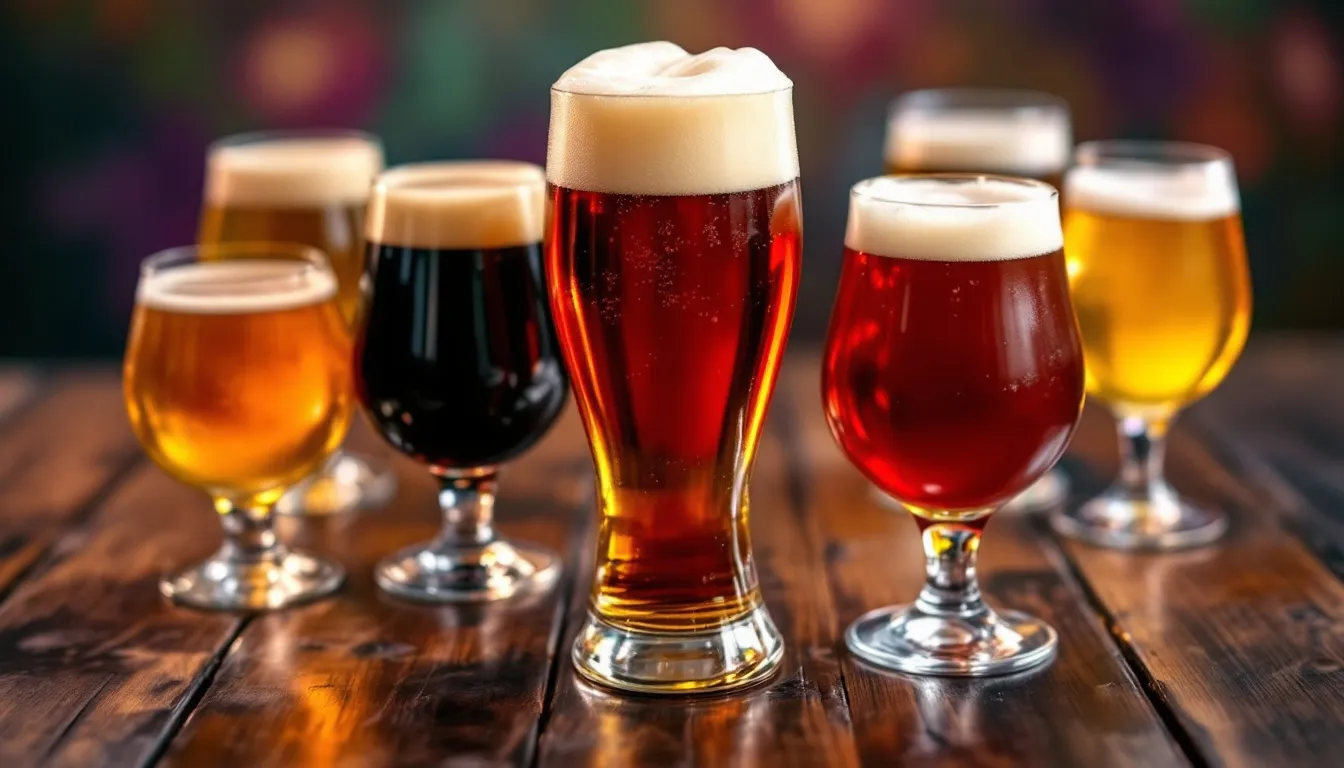
Beers come in an astonishing variety of flavors, influenced by the ingredients used and the brewing process. The broad spectrum of beer tastes can cater to almost any palate, making beer a versatile and beloved beverage worldwide. From the light and refreshing to the dark and robust, each beer style offers a unique drinking experience.
In this section, we’ll explore the distinct flavor profiles of different beers, including lighter beers, dark beers, and specialty beers. Understanding these profiles will help you appreciate the diversity in the beer realm and perhaps even discover new favorites.
Let’s start with the lighter side of the spectrum.
Lighter Beers
Lighter beers, such as lagers and pilsners, are perfect for those who prefer a less overpowering light beer taste. These beers are often characterized by their clean, crisp, and refreshing qualities, making them an ideal choice for hot days or casual drinking sessions. Because of their subtle flavors, lighter beers are also an excellent gateway for non-beer drinkers looking to explore the world of beer.
Imagine cracking open a cold bottle of lager on a scorching summer day. The light, refreshing taste can be incredibly satisfying and enjoyable. These beers are brewed to be easy-drinking, making them a popular choice among those who might otherwise reach for a glass of wine or other lighter alcoholic beverages.
Dark Beers
Dark beers, such as stouts and porters, offer a rich and complex flavor profile that many beer enthusiasts find irresistible. These beers often feature deep flavors reminiscent of coffee, chocolate, and caramel, thanks to the roasted malts used in their production. Stouts, for instance, are known for their creamy texture and bold flavors, making them a favorite among those who enjoy heavier beers.
Porters, on the other hand, are characterized by their dark color and complex flavor profile, including notes of caramel and toffee. They stand out as a smoother alternative to stouts, offering a rich but balanced drinking experience.
Whether you’re enjoying a stout with its creamy coffee notes or a porter with its smooth caramel finish, dark beers provide a robust and satisfying taste adventure.
Specialty Beers
Specialty beers are where brewers get to showcase their creativity and innovation. These beers often feature unusual ingredients and experimental brewing techniques that result in unique and adventurous flavors. For example, pumpkin beer, made with pumpkin puree and spices, offers a delightful twist on traditional beer and is especially popular during the fall season.
Fruity beers are another excellent example of specialty brews that can change one’s perception of what beer can taste like. These beers can be a revelation, offering flavors that are far removed from the stereotypical beer taste.
For the adventurous beer drinker, specialty beers provide exciting and novel taste experiences that taste good for the taste buds.
How to Enhance Your Beer Drinking Experience

To truly enjoy beer, it’s essential to consider factors beyond just the type of beer you’re drinking. Enhancing your beer drinking experience involves paying attention to the serving temperature, choosing the right glassware, and pairing your beer with complementary foods. These elements can significantly impact the overall taste and enjoyment of your beer.
Serving beer at the correct temperature, using the appropriate glassware to enhance aroma and flavor, and finding the perfect food pairings can elevate your beer drinking experience to new heights. Let’s delve into these aspects to help you make the most of every sip.
Serving Temperature
Contrary to popular belief, not all beers should be served ice-cold. While a cold beer can be refreshing, especially on a hot day, many beers actually taste better when served at slightly warmer temperatures. Serving beer too cold can mute its flavors and aromas, preventing you from fully appreciating its complexity.
Understanding the appropriate serving temperature for different beers can significantly enhance your drinking experience. For example, lighter beers like lagers are best enjoyed cold, while ales and stouts benefit from being served at a warmer temperature to bring out their rich flavors.
Glassware Choices
The type of glassware you use can also affect the beer taste. Different glass shapes can enhance the aroma and flavor by concentrating the beer’s scents. For instance, a tulip glass is perfect for capturing the complex aromas of a Belgian ale, while a pint glass is ideal for a wide range of beers, from stouts to lagers.
Using the right glass can maximize the tasting experience, allowing you to appreciate the beer’s full range of flavors and aromas. So, next time you pour yourself a drink, consider using the appropriate glass to enhance your enjoyment.
Food Pairings
Pairing beer with the right foods can elevate the taste experience to new levels. Just as wine is paired with cheese or meat, beer can be paired with various dishes to enhance both the food and the beer. For example, a wheat beer paired with seafood can create a delightful balance of flavors.
Successful beer and food pairings can bring out the best in both, creating a more enjoyable meal. Imagine savoring a cheeseburger with a robust stout or enjoying a light ale with a fresh salad while you drink beer—the possibilities are endless.
Why Glass Bottles Matter for Beer Taste

Glass bottles play a crucial role in preserving the beer taste. Unlike plastic, glass prevents oxidation and protects beer from light, which can degrade its flavor. This protection is essential for maintaining the beer’s quality and ensuring that each sip tastes as the brewer intended.
Storing beer bottles upright and using amber glass bottles, which provide 99.9% protection from UV rays, further helps preserve the beer’s flavor. Plastic bottles, on the other hand, can affect carbonation retention and may cause off-flavors.
It’s no wonder that 61% of people prefer drinking beer from a glass bottle.
Exploring Local Breweries

Exploring local breweries is a fantastic way to discover new and exciting beers. Visiting these breweries allows you to enjoy fresh, high-quality beers that you might not find in stores. It’s also an excellent opportunity to support local businesses and foster a sense of community among beer enthusiasts.
Many beer lovers have shared stories of how a single visit to a local brewery ignited their passion for craft beers. Whether it’s discovering a delicious oatmeal stout or learning about the brewing process, visiting local breweries can be a transformative experience that deepens your appreciation for beer.
Reader Experiences
Hearing from fellow beer enthusiasts can be incredibly inspiring and enlightening. Many readers have shared how their early exposure to brewing or a particular beer tasting experience sparked a lifelong passion for beer. One reader recounted their journey from using a basic brewing kit to mastering all-grain brewing, facing challenges but ultimately finding joy in the process.
Another reader described their introduction to hoppy beers through tastings of different IPAs, which helped them appreciate the complexity of these styles. These personal stories highlight the diverse paths people take in their beer journeys and the unique tastes they develop along the way.
Common Misconceptions About Beer Taste
There are several common misconceptions about beer taste that often deter people from exploring different beer styles. For instance, many believe that all lagers taste the same, but various lager styles possess distinct flavors and characteristics that are worth exploring. Similarly, light beers are often thought to lack flavor, yet modern brewing techniques have led to many light options with robust and enjoyable flavors.
Another misconception is that the color of beer indicates its alcohol content. In reality, lighter beers can sometimes have higher alcohol levels than darker beers. Encouraging exploration and debunking these myths can help individuals discover unique and delicious beer options they might not have considered before.
Summary
In conclusion, the world of beer is vast and diverse, offering a rich tapestry of flavors and experiences. From understanding the science behind beer taste to exploring different flavor profiles, enhancing your drinking experience, and supporting local breweries, there’s always something new to discover. So next time you pour yourself a pint, take a moment to appreciate the craftsmanship and creativity that goes into every sip. Cheers to exploring and enjoying the delightful complexities of beer!
Frequently Asked Questions
Why should I pay attention to the serving temperature of beer?
Paying attention to the serving temperature of beer significantly enhances its flavors and aromas, resulting in a much more enjoyable drinking experience. You’re bound to appreciate your beer even more when served just right!
What types of foods pair well with beer?
Cheeseburgers and seafood are excellent choices that elevate the flavors of both your meal and the beer. Enjoying these pairings can transform your dining experience into something truly special!
Why do glass bottles preserve beer taste better than plastic bottles?
Glass bottles preserve beer taste better than plastic because they prevent oxidation and protect the beer from light, maintaining its flavor and carbonation. Enjoy your perfectly crafted brew!
Are lighter beers always low in alcohol content?
Lighter beers are not always low in alcohol content; they can sometimes have higher levels than darker beers. So, you can enjoy a refreshing light beer without worrying about its alcohol strength!
How can visiting local breweries enhance my beer drinking experience?
Visiting local breweries enhances your beer drinking experience by offering the chance to savor fresh, high-quality beers while supporting your local beer community. Enjoying unique flavors straight from the source creates a greater appreciation for craft brewing.
Leave a Reply